The year 2026 promises to usher in transformative shifts across the global real estate market. With rapid technological advancements, evolving buyer expectations, and macroeconomic changes in interest rates and policy regulation, the property landscape is being reshaped at a pace unseen in recent years. Whether you’re a first-time homebuyer, seasoned investor, or industry professional, understanding the trends shaping the market is critical.
In this comprehensive guide, we explore the most impactful real estate trends that will define 2026, helping you stay informed and ahead of the curve.
Why 2026 Is a Pivotal Year for Real Estate
Entering 2026, the real estate industry stands at the intersection of innovation and necessity. Several forces – from AI and sustainability to changing work-life patterns – are converging, driving buyers and sellers to rethink traditional assumptions about property ownership and investment.
Key factors influencing this evolution include:
- Increased adoption of proptech tools
- Greater emphasis on eco-friendly development
- Shift in residential preferences due to remote and hybrid work models
- Changing financial landscapes with interest rate fluctuations
Understanding these dynamics helps buyers make strategic decisions and positions real estate professionals to serve their clients with enhanced insight and value.
Trend #1: Tech-Driven Property Search Experience
One of the standout real estate trends for 2026 is the continued transformation of the home search experience through technology.
Virtual & Augmented Reality Tours
Where traditional open houses once dominated, immersive virtual tours now allow prospective buyers to walk through properties from anywhere in the world. Augmented Reality (AR) enables buyers to visualize renovations, furniture placement, and even future upgrades, effectively bridging the gap between imagination and reality.
AI Property Matchmaking
Artificial Intelligence (AI) is being used to match buyers with properties that fit nuanced preferences. Rather than filtering listings manually, AI platforms analyze user behavior, budget parameters, and lifestyle priorities to deliver curated property recommendations – like a personal real estate assistant.
These innovations enhance user experience, reduce search time, and increase engagement – ultimately speeding up buyer decision cycles.
Trend #2: AI and Big Data in Property Valuation
Gone are the days when pricing homes was primarily driven by comparables and gut instinct. In 2026, Big Data and AI algorithms are redefining how properties are valued.
More Accurate Market Insights
With data collected from thousands of transactions, neighborhood trends, economic signals, and even social sentiment, AI models can predict property valuations with higher precision. This trend enhances transparency for investors and helps sellers price their properties confidently.
Smart Investment Analysis
Investors now have access to tools that forecast future returns based on variables such as rental demand, infrastructure development, and demographic shifts. Armed with these insights, the real estate market becomes more predictable and investment decisions better informed.
Trend #3: Rise of Sustainable and Green Homes
Sustainability isn’t just a buzzword – it’s a demand driver. Buyers, especially millennials and Gen Z prospects, are increasingly looking for eco-friendly homes.
Green Certifications and Energy Efficiency
Properties with LEED, ENERGY STAR, or other green certifications are gaining higher valuations and selling faster. Features such as solar panels, energy-efficient appliances, smart thermostats, and rainwater harvesting systems not only lower utility costs but also appeal to environmentally conscious buyers.
Eco-Communities on the Rise
Developments emphasizing walkability, green spaces, and lower carbon footprints are becoming mainstream. Residents are choosing communities that support healthy living and reduce long-term environmental impact.
This trend doesn’t just elevate residential living – it reshapes investment priorities as developers look to meet the rising demand for sustainable properties.
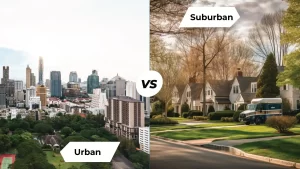
Trend #4: Remote Work and Suburban Renaissance
The shift to remote and hybrid work models, first accelerated by global disruptions, continues to impact where people choose to live.
Demand for Space and Affordability
With work no longer tied to city offices, buyers are increasingly seeking larger homes, home offices, and properties in less densely populated areas. Suburbs and satellite towns are experiencing heightened demand as affordability issues in major cities persist.
Community Amenities Matter More
Buyers now prioritize neighborhoods with good internet infrastructure, local amenities, green zones, and community-based services. The appeal of living closer to nature without sacrificing connectivity is reshaping housing demand patterns.
Trend #5: Flexible & Mixed-Use Spaces Are Here to Stay
Commercial and residential property lines are blurring. Mixed-use developments – where people can live, work, shop, and play within walkable environments – are thriving.
What Buyers Are Looking For
- Workspace facilities within residential complexes
- Retail or service spaces integrated with homes
- Communal areas designed for social and professional interaction
These integrated spaces offer convenience, reduce commute times, and cater to a lifestyle where work and leisure are closely integrated.
For investors, mixed-use properties offer diversified income streams, making them an attractive long-term strategy.
Trend #6: Smart Home Integration Becomes Standard
From voice assistants to automated security systems, smart technology is no longer a luxury – it’s expected.
Home Automation for Enhanced Living
Smart locks, lighting systems, energy usage tracking, and even irrigation systems are becoming standard features in new homes. These features offer convenience, enhance safety, and contribute to energy savings – all major selling points for today’s buyers.
Increased Property Value Through Tech
Homes equipped with integrated technology environments are seeing higher valuations and faster sales. Smart home readiness is becoming a key item on buyer checklists, especially in urban markets and luxury segments.
Trend #7: Short-Term Rental Market Evolution
The short-term rental sector continues to evolve as travelers seek flexible stays and unique experiences.
Shift Toward Longer Stays
After a surge in ultra-short stays, longer bookings (weeks to months) are becoming popular, driven by digital nomads and remote workers who blend travel with work.
Regulatory Landscape and Hosting Platforms
Cities across the world are updating regulations for short-term rentals. Real estate investors are adapting by ensuring compliance while maximizing revenue through smart pricing tools and professional hosting services.
Short-term rental performance is increasingly tied to local tourism trends, infrastructure development, and traveler behavior – all areas where data analytics plays a vital role.
Trend #8: Interest Rates and Investment Dynamics
Though interest rates remain a moving target in 2026, their impact on the property market is profound.
Mortgage Affordability and Buyer Decisions
Fluctuating rates influence borrowing costs and buyer affordability. In markets with stabilizing or declining rates, demand may surge as buyers lock in favorable terms. Conversely, rising rates can slow some markets, prompting buyers to rethink timelines or financing strategies.
Investor Response
Investors are diversifying their portfolios with a mix of residential, commercial, and alternative properties such as co-living spaces or logistic hubs. Real estate crowdfunding and REITs are gaining traction as investors seek more liquid exposure to property markets.
Understanding macroeconomic shifts allows buyers, sellers, and investors to time their moves strategically.
How Buyers and Investors Can Prepare
Staying ahead in 2026 means understanding not just trends, but how to respond to them. Here are actionable tips:
For Buyers
- Get pre-approved for financing before shopping
- Prioritize properties with smart and sustainable features
- Consider flexible or mixed-use developments
- Look beyond city centers for value opportunities
For Investors
- Leverage data analytics for property insights
- Diversify with short-term rentals or mixed-use assets
- Monitor interest rate trends and adjust investment timing
- Collaborate with tech-savvy real estate professionals
At Estate Vision 360, we empower buyers and investors with data-driven insights and a forward-looking approach to property decisions – helping you make informed choices in an evolving market.
Conclusion
The real estate market in 2026 is not just reacting to change – it is reshaping itself. From tech innovations and sustainability to shifting work patterns and investment strategies, buyers and industry professionals must stay agile.
By understanding these trends, you can navigate the market confidently- whether you’re purchasing your first home, upgrading, investing, or developing properties. The key lies in embracing innovation, prioritizing value, and aligning your decisions with where the market is headed.
FAQs
What is the biggest real estate trend in 2026?
The biggest trend in 2026 is the integration of technology into the home buying and investment process, including AI-driven valuation tools, virtual property tours, and smarter search experiences.
Will demand for suburban homes continue to grow?
Yes – as remote work remains common, many buyers are choosing larger homes in suburban areas, valuing affordability and space over urban density.
How are interest rates affecting the real estate market in 2026?
Interest rates continue to influence borrowing costs. Stabilizing rates tend to boost buyer confidence and transaction volumes, while rising rates may slow some markets or shift buyer priorities.
Are smart homes worth the investment?
Absolutely. Smart home features increase convenience, security, and energy efficiency – attributes that are increasingly valued by buyers and reflected in property valuations.
Should investors consider short-term rentals?
Short-term rentals remain attractive, especially in tourist or high-demand areas. Longer stay trends and regulatory clarity will shape profitability, so strategic planning is key.
How can I stay updated with real estate trends?
Follow reputable industry sources, work with licensed professionals, and use analytics and market reports to stay informed about pricing, technology shifts, and regional demand patterns.