Why Sustainable Housing Matters
Sustainable housing has rapidly grown from a niche concept to a mainstream priority for homebuyers and real estate developers alike. With rising energy costs, climate concerns, and a greater focus on healthy living environments, green homes are more appealing than ever.
Homebuyers are no longer just looking for location and square footage – they want efficiency, environmental responsibility, and a reduced cost of ownership. This shift has reshaped the real estate landscape, as developers, architects, and real estate professionals adapt to the demand for sustainable living.
Whether you’re a first-time buyer, an investor, or someone planning to build a home, understanding the latest sustainable housing trends is essential for making informed decisions in 2026 and beyond.
What Is Green Housing?
Green housing refers to homes designed, built, and operated with environmental sustainability in mind. It focuses on minimizing the negative impact on the environment through energy and water efficiency, healthy indoor air quality, eco-friendly materials, and smart technology.
Key principles of green housing include:
- Reduced carbon footprint
- Lower energy and utility costs
- Use of renewable resources
- Improved comfort and indoor air quality
- Resilience to climate change
Green homes don’t just benefit the planet – they enhance the quality of life and provide measurable economic value to homeowners.
Top Sustainable Housing Trends Today
As real estate trends evolve, several sustainability features have stood out as particularly attractive to buyers.
1.1 Energy-Efficient Homes
Energy efficiency is one of the most in-demand aspects of sustainable housing. Buyers are actively seeking homes that:
- Have superior insulation
- Use energy-efficient appliances
- Feature high-performance windows
- Rely on LED lighting and smart thermostats
Reduced energy consumption translates directly to lower utility bills and increased comfort year-round. With rising energy costs, homes with energy-efficient design have a real financial edge.
1.2 Smart Home Integration for Sustainability
Technology has become a key player in sustainable homes. Smart systems help homeowners monitor and reduce energy and water usage.
Popular smart sustainability features include:
- Smart thermostats that learn usage patterns
- Automated lighting systems
- Remote energy monitoring
- Smart irrigation systems that conserve water
These technologies appeal to buyers who want convenience and sustainability.
1.3 Biophilic & Wellness-Centered Design
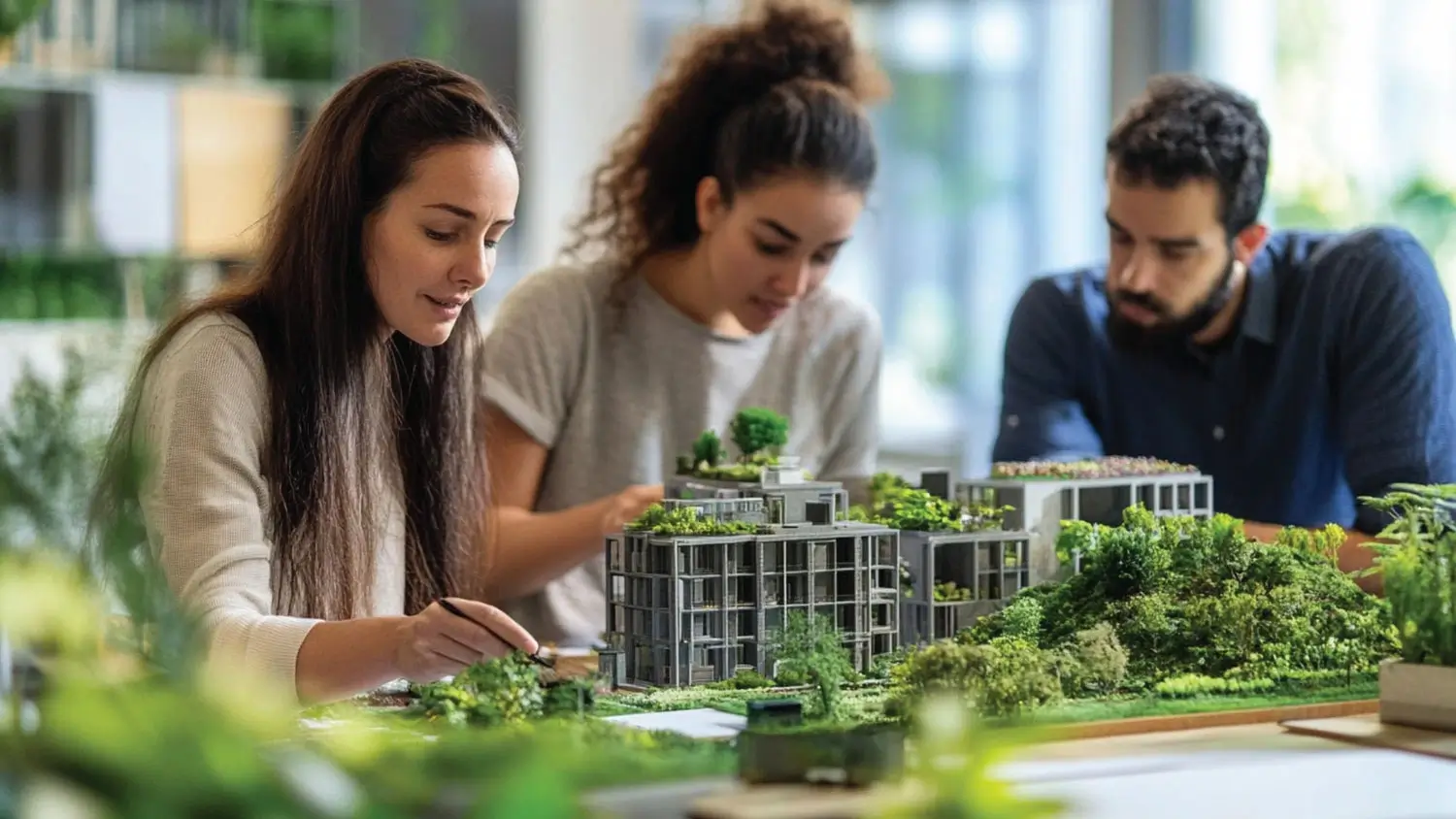
Biophilic design puts nature at the center of architectural thinking. It incorporates natural light, plants, outdoor spaces, and materials that foster a connection to the environment.
Benefits include:
- Improved mental well-being
- Better indoor air quality
- Natural temperature regulation
- Enhanced aesthetic value
Homebuyers increasingly value spaces that support their physical and emotional health.
1.4 Net-Zero & Passive House Standards
For buyers passionate about sustainability, Net-Zero and Passive House standards are becoming popular benchmarks.
Net-Zero homes produce as much energy as they consume, typically through renewable sources like solar panels.
Passive Houses emphasize airtight design and thermal efficiency for minimal energy use.
Though these standards may involve higher upfront costs, they deliver dramatic long-term savings and exceptional performance.
1.5 Eco-Friendly Building Materials
Sustainable homes use materials that are:
- Recycled or reclaimed
- Non-toxic and low in VOCs
- Manufactured responsibly
Examples include bamboo flooring, recycled steel, reclaimed wood, and natural insulation materials. These choices reduce environmental impact while creating beautiful, lasting spaces.
1.6 Water Conservation & Management
Water-saving features are especially important in regions with water scarcity.
Common conservation measures include:
- Low-flow fixtures
- Rainwater harvesting systems
- Gray water recycling
- Smart irrigation based on weather data
These systems protect a critical resource and reduce monthly water bills.
1.7 Community-Focused Sustainable Developments
Green housing isn’t just about individual homes – it’s also about sustainable communities.
Trends in eco-neighborhood design include:
- Shared green spaces and parks
- Walkable layouts that reduce car use
- Renewable energy microgrids
- Urban farming and community gardens
These developments appeal to buyers who value sustainability and community living.
Why Buyers Are Choosing Green Homes
There are several compelling reasons behind the increasing popularity of sustainable housing:
Cost Savings
Lower energy and water bills translate to long-term savings – a huge draw for budget-conscious buyers.
Health & Comfort
Green homes typically offer better air quality, natural light, and consistent indoor temperatures.
Environmental Impact
Many buyers today are motivated by a desire to reduce their carbon footprint and live responsibly.
Resale Value
Sustainable homes often sell faster and at higher prices, thanks to rising buyer demand and energy-efficient certifications.
Regulatory Incentives
Government incentives, tax credits, and rebates for green building and energy-efficient upgrades make sustainable homes even more attractive.
The Future of Green Housing in Real Estate
Sustainability is no longer a trend – it’s a long-term shift reshaping the real estate market.
Industry experts predict:
- More regulations requiring energy efficiency
- Wider adoption of renewable energy in homes
- Smart grids integrated with residential neighborhoods
- Greater use of sustainable materials in construction
- Growth in eco-certification programs like LEED and ENERGY STAR
Technology and innovation will continue driving sustainable housing forward, creating new opportunities for buyers and sellers alike.
At Estate Vision 360, we closely monitor these trends to guide buyers toward homes that are both forward-thinking and environmentally responsible.
How to Choose the Right Sustainable Home
Whether you’re buying new construction or retrofitting an existing home, here’s how to approach your decision:
Set Priorities
Identify which sustainability features matter most to you – energy savings, health benefits, tech integration, etc.
Check Certifications
Look for homes with recognized green certifications (LEED, ENERGY STAR, Passive House).
Evaluate Cost vs. Savings
Factor in long-term utility savings and incentives when comparing prices.
Inspect the Home
Hire inspectors familiar with sustainable features – they’ll ensure systems work as advertised.
Work With Expertise
Partnering with real estate professionals who understand green housing can make the process smoother and more successful.
Estate Vision 360’s Role in the Green Property Movement
At Estate Vision 360, we believe the future of real estate lies in sustainable living. Our team stays updated on the latest green housing trends and helps buyers find properties that deliver real value – environmentally and financially.
Whether you’re exploring net-zero homes, energy-efficient upgrades, or smart home features, our experts are here to guide you through every step. We’re passionate about connecting buyers with homes that reflect modern values and long-term savings.
Conclusion: The Long-Term Value of Sustainable Homes
Sustainable and green housing isn’t just a fad – it’s a transformative force in real estate that benefits buyers, sellers, and the planet alike. From lower utility costs and healthier living environments to better resale value and reduced environmental impact, the advantages of sustainable homes are compelling.
Today’s buyers are more informed and conscientious than ever before, seeking properties that align with their values and future needs. As the market continues to embrace energy-efficient design, smart technology, and eco-friendly materials, Estate Vision 360 is committed to helping you navigate these trends and find a home that stands the test of time.
Whether you’re buying, selling, or planning a sustainable renovation, the future of green housing offers exciting possibilities – and now is the perfect time to be part of the movement.
FAQs
What makes a home “green” or sustainable?
A green home uses design, materials, and technology to reduce environmental impact, improve energy efficiency, conserve water, and enhance the health and comfort of occupants. Sustainability features include energy-efficient appliances, smart systems, eco-friendly materials, and renewable energy sources.
Are green homes more expensive to buy?
The upfront cost can be higher, depending on features and standards. However, many sustainable homes deliver significant savings over time through lower energy and water bills. Plus, incentives and increased resale value often offset initial costs.
How can I tell if a home is truly sustainable?
Look for third-party certifications (e.g., LEED, ENERGY STAR), detailed energy reports, and verification of installed systems like solar panels, efficient HVAC, and insulation. A qualified inspector can help confirm performance.
Do smart home features make a home greener?
Yes, when they actively reduce energy and water use. Smart thermostats, automated lighting, and efficient irrigation systems help manage consumption and improve overall sustainability.
What are the benefits of net-zero homes?
Net-zero homes produce as much energy as they consume – often through solar or wind power. This results in extremely low utility costs and a minimal carbon footprint, making them ideal for eco-conscious buyers.
Can older homes be made sustainable?
Absolutely. Retrofitting with efficient windows, insulation, HVAC upgrades, solar panels, and water-saving systems can significantly improve sustainability and reduce operational costs.