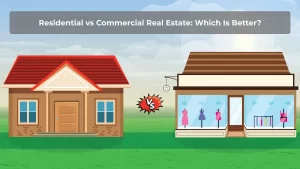
Real estate is one of the most powerful and diverse asset classes in the world. Whether you’re a first-time homebuyer, a seasoned investor, or someone exploring property as a career, understanding the different types of real estate properties is the foundation of making smart decisions.
In today’s ever-evolving real estate market-shaped by urbanization, remote work, sustainability trends, and smart technology-property types are no longer limited to simple categories. Each segment offers unique opportunities, risks, and returns.
In this in-depth guide by Estate Vision 360, we’ll break down all major types of real estate properties, explain how they work, and help you understand which type suits your goals best.
Real Estate Property Types
Real estate refers to land and any permanent structures attached to it. However, not all properties serve the same purpose. Some are built for living, others for business, production, or investment.
Understanding property classification helps you:
- Assess risk and return
- Plan long-term investments
- Comply with legal zoning laws
- Match properties with financial goals
Let’s explore each category in detail.
Residential Real Estate Properties
Residential real estate includes properties designed for people to live in. This is the most common and emotionally driven segment of real estate.
Single-Family Homes
These are standalone houses built on individual plots.
Best for: Families, long-term living, stable appreciation
Pros: Privacy, ownership control
Cons: Higher maintenance costs
Apartments & Flats
Multi-unit residential buildings where each unit is separately owned or rented.
Best for: Urban living, rental income
Pros: Lower maintenance, amenities
Cons: Association rules, limited customization
Condominiums (Condos)
Similar to apartments, but owners hold title to the unit while common areas are shared.
Best for: Young professionals, investors
Trend: Smart condos with co-working spaces
Townhouses
Multi-floor homes sharing side walls with adjacent units.
Best for: Budget-friendly ownership with space
Balance: Privacy + affordability
Villas & Luxury Homes
High-end properties offering premium amenities and exclusivity.
Best for: Luxury buyers, vacation homes
Growing Trend: Gated smart communities
Commercial Real Estate Properties
Commercial real estate (CRE) includes properties used for business and income generation.
Office Buildings
Used by companies, startups, and corporations.
- Class A: Premium, modern buildings
- Class B & C: Affordable, older structures
Trend: Hybrid workspaces and flexible leasing
Retail Properties
Shops, showrooms, and storefronts.
Examples: High-street retail, strip malls
Key Factor: Foot traffic
Shopping Malls & Complexes
Large retail hubs with entertainment and dining.
Evolution: Experience-based retail replacing traditional stores
Hotels & Hospitality Properties
Hotels, resorts, and serviced apartments.
Returns: Seasonal but high
Influence: Tourism and travel trends
Industrial Real Estate Properties
Industrial properties support production, storage, and logistics.
Warehouses
Used for storage and inventory management.
Booming Demand: E-commerce growth
Manufacturing Units
Facilities for production and assembly.
Key Requirement: Zoning compliance
Distribution Centers
Logistics hubs connecting suppliers to consumers.
Trend: Smart logistics and automation
Industrial real estate is becoming a favorite among institutional investors due to long-term leases.
Land & Agricultural Properties
Land is the purest form of real estate, offering flexibility and appreciation.
Residential Land
Plots zoned for housing development.
Advantage: Custom construction
Commercial Land
Land designated for offices, malls, or businesses.
Higher Value: Strategic locations
Agricultural & Farm Land
Used for farming and cultivation.
Emerging Trend: Organic farming and land banking
Mixed-Use Real Estate Properties
Mixed-use developments combine residential, commercial, and retail spaces in one project.
Examples: Apartments above shopping centers, office-residential complexes
Benefits:
- Higher land efficiency
- Live-work-play lifestyle
- Strong rental demand
Modern cities increasingly favor mixed-use developments for sustainable growth.
Special Purpose Real Estate
These properties serve specific functions and have limited alternative use.
Examples include:
- Schools & universities
- Hospitals & clinics
- Religious buildings
- Government properties
- Entertainment venues
Investment Note: Highly specialized but stable when leased long-term.
Emerging & Modern Real Estate Property Types
The real estate industry is constantly evolving. Some modern property types include:
- Co-living spaces – shared housing for millennials
- Co-working spaces – flexible office solutions
- Data centers – digital infrastructure assets
- Green buildings – eco-friendly, energy-efficient properties
At Estate Vision 360, we closely track these emerging segments as they redefine property investment strategies.
How to Choose the Right Property Type
Choosing the right real estate property depends on:
- Purpose: Living or investment
- Budget: Capital and financing options
- Risk tolerance: Stable vs high-growth assets
- Location: Urban, suburban, or rural
- Market trends: Demand and future development
A diversified portfolio often includes multiple property types to balance risk and return.
The Future of Real Estate Property Types
The future of real estate will be shaped by:
- Smart home technology
- Sustainable construction
- Remote work culture
- Urban population growth
- Digital property transactions
Properties that offer flexibility, sustainability, and technology integration are expected to outperform traditional assets in the long run.
Conclusion
Understanding the types of real estate properties is essential for anyone entering the property market. From residential homes to commercial complexes and emerging mixed-use developments, each category plays a vital role in the real estate ecosystem.
As the market continues to evolve with technology and lifestyle changes, staying informed is your biggest advantage. Platforms like Estate Vision 360 aim to simplify real estate knowledge and help you make confident, future-ready decisions.
Whether you’re buying, investing, or simply learning-real estate is not just property; it’s opportunity.
FAQs
What is the safest type of real estate investment?
Residential properties are generally considered safer due to consistent housing demand.
Which real estate type offers the highest returns?
Commercial and industrial properties often provide higher rental yields but carry more risk.
Is land a good real estate investment?
Yes, land offers long-term appreciation and minimal maintenance, but liquidity can be lower.
What is mixed-use real estate?
It is a property that combines residential, commercial, and retail uses in a single development.
How is real estate evolving in modern cities?
Real estate is shifting toward smart, sustainable, and community-focused developments.