Real estate is one of the oldest and most powerful ways people build wealth, stability, and long-term security. Yet for beginners, the term real estate can feel overwhelming-full of legal jargon, financial risks, and confusing processes.
Whether you’re curious about buying your first home, exploring property investment, or simply want to understand how the real estate market works, this guide breaks everything down in simple, practical language.
Welcome to a complete beginner’s roadmap to understanding real estate in today’s ever-evolving world.
Real Estate
At its core, real estate is about property ownership, usage, and value creation. It touches nearly every part of our daily lives-from where we live and work to how cities grow and economies expand.
In recent years, technology, sustainability, remote work, and changing lifestyles have transformed the way people buy, sell, and invest in property. Platforms like Estate Vision 360 focus on helping beginners understand these shifts clearly and confidently.
What Is Real Estate? (Simple Definition)
Real estate refers to land and any permanent structures attached to it, such as houses, apartments, buildings, and commercial properties. It also includes the legal rights associated with owning and using that land or property.
In simple terms:
- Land + Buildings + Ownership Rights = Real Estate
Real estate is different from movable assets like cars or furniture because it is immovable and long-lasting, often appreciating in value over time.
Types of Real Estate Explained
Understanding the different types of real estate is essential for beginners.
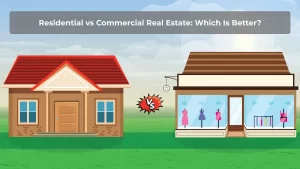
a) Residential Real Estate
Residential real estate includes properties designed for people to live in, such as:
- Single-family homes
- Apartments and flats
- Villas and townhouses
- Condominiums
This is the most familiar type of real estate and often the first entry point for buyers and investors.
b) Commercial Real Estate
Commercial real estate is used for business purposes and income generation, including:
- Office buildings
- Retail stores and shopping malls
- Hotels and restaurants
These properties typically generate rental income and are often leased for longer periods.
c) Industrial Real Estate
Industrial real estate supports manufacturing, storage, and logistics, such as:
- Warehouses
- Factories
- Distribution centers
With the rise of e-commerce, industrial real estate has become one of the fastest-growing segments.
d) Land & Special-Purpose Real Estate
This includes:
- Vacant land
- Agricultural land
- Schools, hospitals, and government buildings
Land offers long-term potential but usually requires patience and planning.
Key Components of the Real Estate Industry
The real estate ecosystem is much bigger than just buyers and sellers. Key participants include:
- Property owners
- Real estate agents and brokers
- Developers and builders
- Lenders and banks
- Legal and regulatory authorities
Each plays a role in keeping the market functional and transparent.
How the Real Estate Market Works
The real estate market operates on supply and demand, influenced by factors such as:
- Economic growth
- Interest rates
- Population trends
- Government policies
When demand is high and supply is limited, property prices rise. When supply exceeds demand, prices may stabilize or fall.
Unlike stock markets, real estate moves slowly, making it more stable but less liquid.
Real Estate as an Investment Opportunity
Many people turn to real estate as a way to:
- Build passive income
- Protect wealth from inflation
- Achieve long-term financial security
Common real estate investment strategies include:
- Buying and renting property
- Flipping houses for profit
- Investing in commercial spaces
- Holding land for future appreciation
Real estate investments often reward patience rather than quick gains.
Benefits of Investing in Real Estate
Real estate remains popular because of its unique advantages:
✔ Long-Term Appreciation
Property values tend to increase over time, especially in growing locations.
✔ Passive Income
Rental properties provide regular monthly income.
✔ Inflation Protection
As living costs rise, rental income and property values usually increase as well.
✔ Tangible Asset
Unlike stocks, real estate is a physical asset you can see and manage.
Risks and Challenges in Real Estate
Despite its benefits, real estate is not risk-free.
⚠ High Initial Investment
Property purchases require significant capital or financing.
⚠ Market Fluctuations
Economic downturns can impact property values and rental demand.
⚠ Maintenance & Management
Repairs, taxes, and tenant management require time and money.
Understanding these risks helps beginners make informed decisions.
The Ever-Evolving Nature of Real Estate
Real estate is no longer just about buying land and buildings. It is constantly evolving due to:
- Technology: Online listings, virtual tours, AI pricing tools
- Sustainability: Green buildings and eco-friendly construction
- Lifestyle Changes: Remote work increasing demand for suburban and flexible spaces
- Smart Cities: Integration of infrastructure, data, and property planning
Modern real estate platforms and educational blogs like Estate Vision 360 help beginners stay updated with these trends.
Real Estate Careers You Should Know About
- Real estate also offers diverse career opportunities, such as:
- Real estate agent or broker
- Property manager
- Real estate investor
- Developer or builder
- Real estate analyst or consultant
Each role requires different skills, but all benefit from strong market knowledge.
How Beginners Can Get Started in Real Estate
If you’re new to real estate, start small and smart:
- Educate Yourself – Learn terminology, market basics, and trends
- Set Clear Goals – Homeownership, rental income, or long-term investment
- Research Locations – Growth potential matters more than price
- Understand Financing – Loans, interest rates, and repayment plans
- Seek Expert Advice – Agents, legal experts, and financial planners
Real estate success begins with informed decisions, not rushed actions.
Final Thoughts
Real estate is more than just buying and selling property-it’s about building stability, creating wealth, and adapting to a changing world. For beginners, understanding the fundamentals is the first step toward confident decision-making.
As the real estate industry continues to evolve with technology and lifestyle shifts, staying informed is crucial. With the right knowledge, patience, and strategy, real estate can become a powerful tool in your financial journey.
FAQs
Is real estate a good investment for beginners?
Yes, real estate can be beginner-friendly if approached with proper research, realistic expectations, and long-term planning.
What is the difference between real estate and property?
Property refers to ownership rights, while real estate includes land, buildings, and the physical structures themselves.
How much money do I need to start in real estate?
It depends on location, property type, and financing options. Many beginners start with home loans or joint investments.
Can real estate lose value?
Yes, market conditions, poor location, or economic downturns can affect property values, though long-term trends are usually positive.
Is rental income considered passive income?
Rental income is semi-passive. While it provides regular earnings, it still requires management and maintenance.